What Is Decorative Privacy Window Film
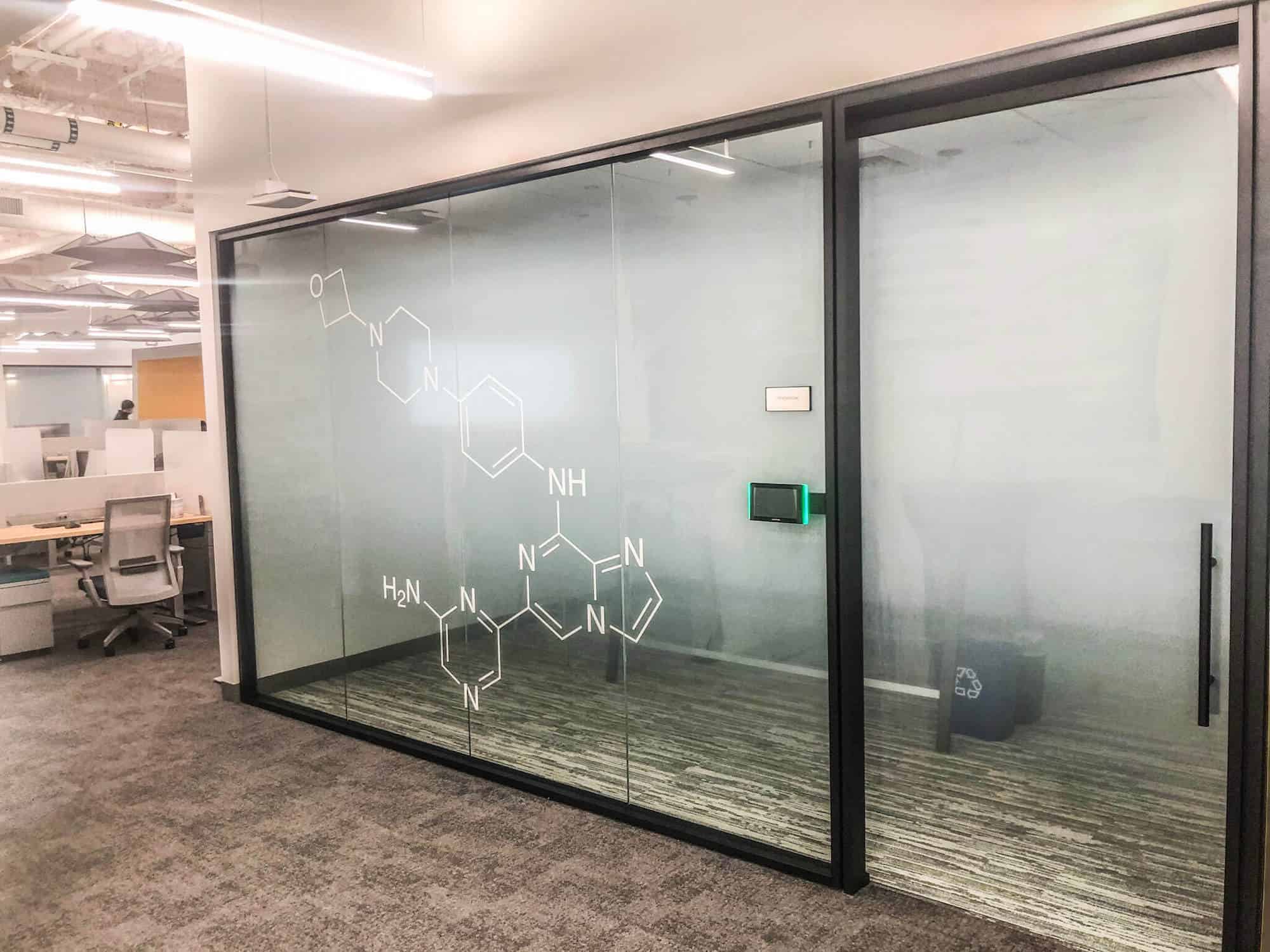
Decorative privacy film is defined as an application of film that is used as a covering on glass and is intended for reducing visibility and controlling light transmission. This is considered a better option compared to etched glass and permanent partitions, as it is flexible and cost-effective, mainly for business purposes.
For commercial buyers of the product, privacy window film could be specified for:
-
Office Partitions and Meeting Rooms
-
Retail Storefronts and Internal Glazing
-
Clinics, educational facilities, and public spaces
From a sourcing perspective, some of the main evaluation metrics would be privacy performance, light control behavior, durability, customization ability, and cost per square meter when sourcing in bulk.
2. Privacy Levels Explained: Transparent vs Translucent vs Opaque
The privacy window films are usually classified according to the level of visibility that is blocked.
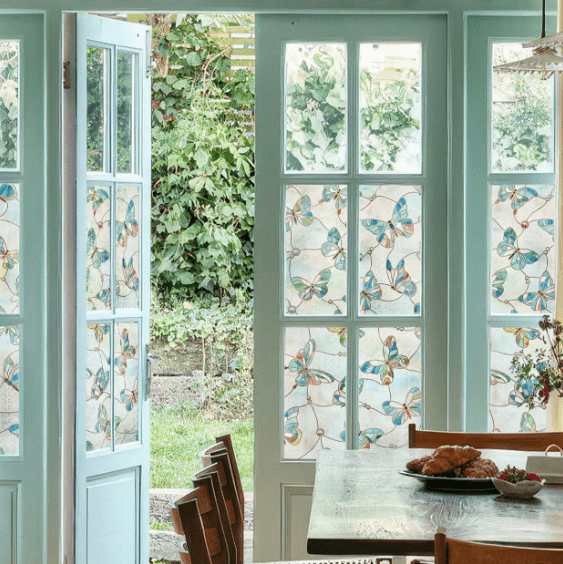
Transparent / Patterned Privacy Films
These films have patterns that partly obstruct vision while at the same time being open. They can be used in:
-
Corporate Offices
-
Retail display glass
-
Interior partitions
They allow visual separation without full concealment.
Translucent Privacy Films
Generally referred to as light filtering window films, translucent films allow the diffused lighting to pass through while preventing visibility. They are commonly used in:
-
Offices and conference rooms
-
Clinics and healthcare facilities
-
Public and Institutional Buildings
This category is often selected by consumers that are searching for a private window film that allows for some light.
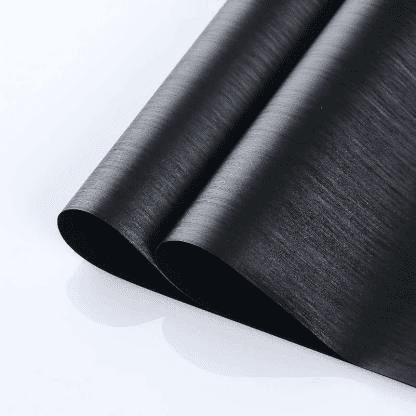
Opaque Privacy Films
Opaque film windows feature a slight transparency but block out the view. Typical applications include:
-
The back offices
-
Storage areas
-
Areas with restricted or staff-only access
These opaque films provide maximum privacy, but they dramatically reduce light transmission. It must be specified very carefully in areas requiring natural light.
3. Light Control Options: Light Blocking vs Light Filtering Films
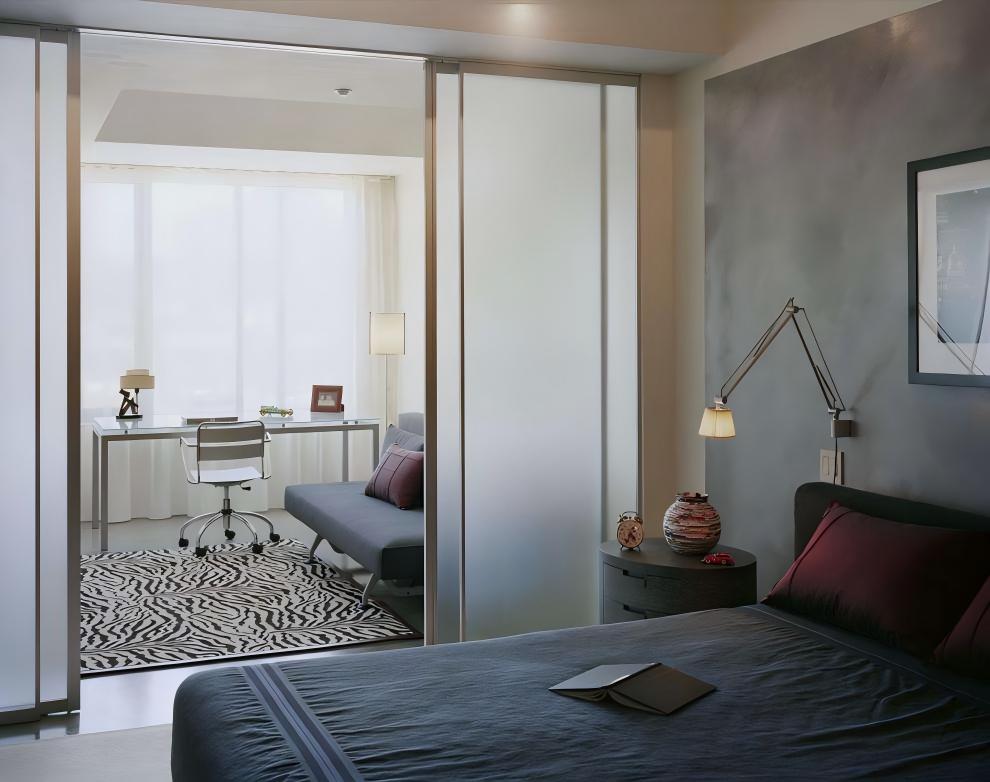
Privacy level and light control are closely linked, but they are not the same decision.
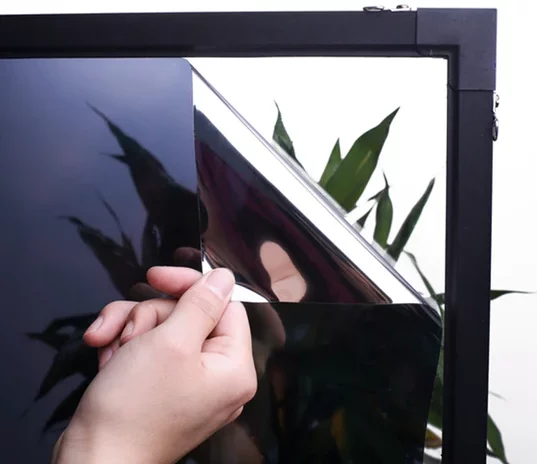
Light Blocking Window Film
Light blocking window film is designed to reduce or block light transmission. It is suitable for:
-
Areas with glare sensitivity
-
Spaces requiring visual isolation
However, reduced daylight may increase reliance on artificial lighting, affecting operating costs.
Light Filtering Window Film
Window films allow the filtering and diffusing of light in a perfectly even manner. As a result of which the glare is reduced and the brightness is maintained. This method is
-
Workspaces
-
Customer-facing retail areas
-
Public interiors
Some commercial buyers may also ask about dimmable window films. When considering different elements of window film, and their usual application, it is unlikely that buyers will discuss smart glass. Alternatively, they will discuss different levels of opacity of the film.
4. Cost Factors: Material, Opacity, Customization & Volume
The cost of privacy window film used in commercial projects depends on several factors:
Material & Film Construction
The requirements for thickness, surface finish, and durability impact the base pricing model.
Privacy Level & Light Control
The price for opaque and specialty films is normally higher.
Customization & OEM-ODM Requirements
Fancyfix offers OEM/ODM customization services, including patterns, dimensions, functional specifications, and packaging. Such customizations can add extra costs per unit but may reduce brand and redesigning charges in future.
Order Volume & Lead Time
Stock Products: 7-15 Business
Days Customized products: 10-20 business days
Fancyfix operates its own factory, covering areas like product R&D, production, customization, and overseas transport, which are important considerations for buyers who handle large or repetitive commercial orders.
5. Comparison Table: Privacy Level vs Light Transmission vs Cost
| Film Type | Privacy Level | Light Transmission | Typical Cost Range* | Common Commercial Use |
| Transparent / Patterned | Low–Medium | High | Lower | Offices, retail design |
| Translucent / Light Filtering | Medium–High | Medium–High | Mid-range | Offices, clinics, public spaces |
| Opaque | High | Low | Higher | Back offices, restricted areas |
*Cost varies depending on material selection, customization requirements, and order volume.
How Privacy Window Film Affects Space Functionality & Long-Term Cost
For business buyers, the price of a privacy window film should also be considered beyond its purchase cost. The extent of privacy and light transmittance of a film have significant effects on how a living or working space is used and its cost of ownership. Window films that let in light, like light filtering window film, aid in using natural light and reduce ambient light cost, specially designed for offices and businesses. Window films with total opacity, like opaque film windows, may be needed in private spaces but excessively add to lighting cost.
From a lifecycle perspective, window privacy film for business purposes also has another degree of flexibility that cannot be achieved through glass options. Changes, rebranding, and moving of tenants, among other factors, can thus be addressed through replacement or removal rather than altering the window construction. This level of adaptability also enables different business buyers to contain renovation costs. Window privacy film for commercial use helps maintain confidentiality, reduce distractions, and create a professional environment without sacrificing natural light.
Conclusion
Decorative privacy window film is, in fact, not only a mere aesthetic upgrade but also a functional commercial material that has a great impact on privacy, daylight utilization, maintenance cost, and long-term flexibility. Importers, distributors, and commercial project buyers making the right choice should focus not only on the appearance but also on understanding privacy levels, light control behavior, and total cost implications.
Fancyfix is a cross-border supplier that has been specializing in window films and functional decorative materials for more than 20 years of industry experience. Supported by in-house manufacturing, Fancyfix is capable of supplying both mass productions and tailor-made solutions to B2B clients worldwide in the USA, Europe, Australia, and Japan. Their clients include contractors, distributors, OEM/ODM brands, retail chains, and commercial project buyers.
Commercial sourcing teams engaging with a supplier who can understand different business models, lead-time requirements, and customization needs will be able to lessen the costs of trial and error and be supported in a more predictable project execution.