Why building windows matter for energy efficiency in commercial facilities
Building windows are part of the envelope. They affect daylight, comfort, and the appearance of a facility. They also influence energy use because glass behaves differently from insulated walls.
In commercial settings, windows can contribute to:
-
High solar heat gain in warm seasons
-
Heat loss during cooler periods
-
Glare that affects occupant comfort and productivity
-
Temperature imbalance near the perimeter
-
Increased HVAC demand during peak hours
These issues tend to be more visible in windows for office buildings with large curtain walls. They can also be significant in warehouses and factories with broad industrial building windows. Even when the HVAC system is modern, inefficient glass can keep it running harder than necessary.
Energy efficiency also connects to asset value. Buildings with better comfort and more stable indoor conditions are easier to operate and easier to position in many markets.
How heat gain and loss occur through office and industrial windows
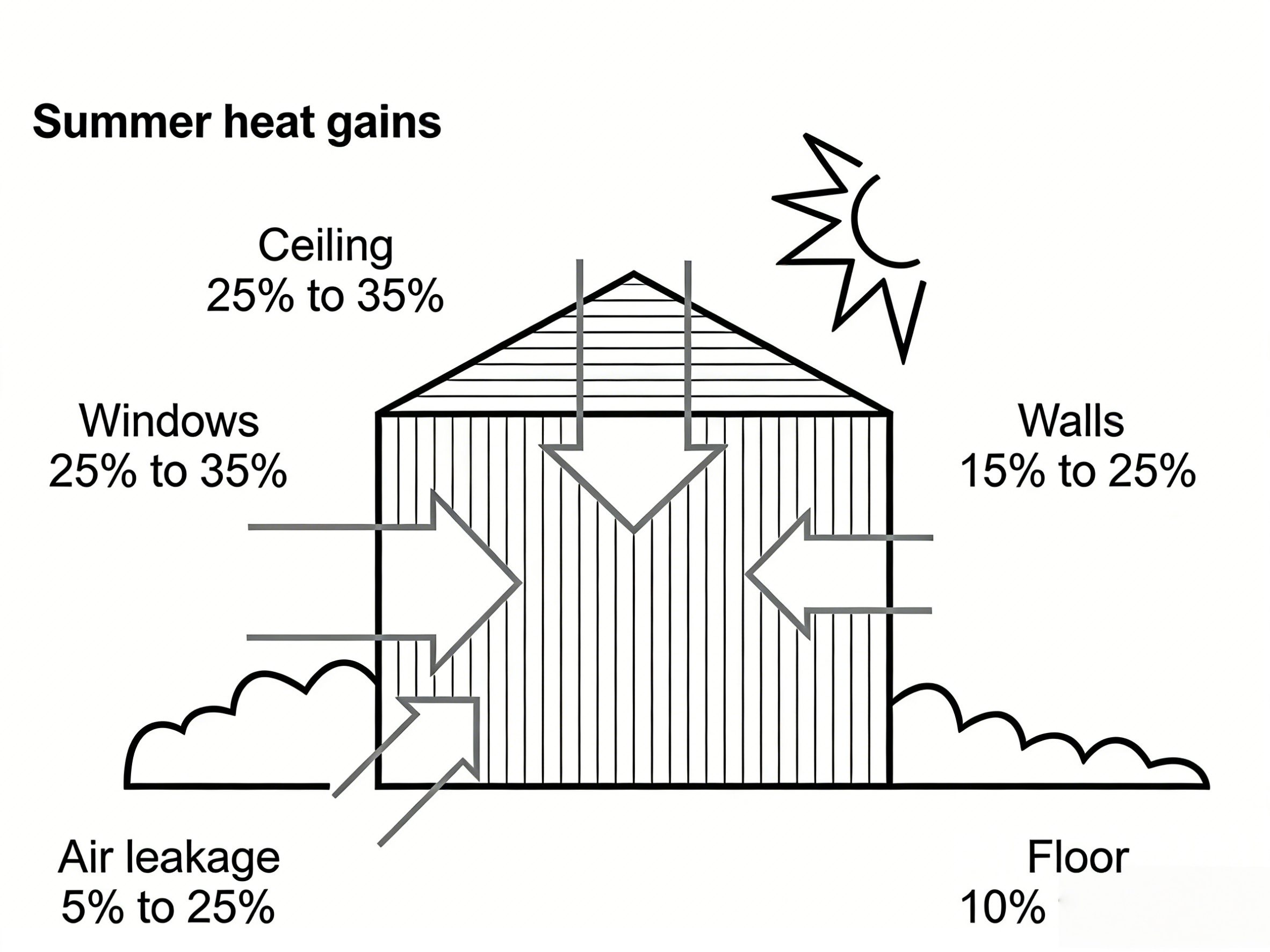
Heat transfer through office building windows and industrial building windows typically happens through three mechanisms. Understanding these helps buyers evaluate upgrade options.
Solar radiation through glass
Sunlight passes through the glazing and turns into heat inside the space. Large glass building windows increase this effect. This can create hot zones and a higher cooling load.
Conduction through the glazing system
When outside temperatures differ from indoor set points, heat transfers through the glass surface. Older glazing systems tend to transfer heat more readily. This can lead to higher heating and cooling demand.
Air leakage around frames
This is not solved by film, but it affects the overall performance of windows in a building. Older seals and frame gaps can drive drafts and temperature instability. Buyers should evaluate frame condition alongside glazing performance.
Many commercial sites have mixed window types across elevations and floors. That is why retrofit strategies are often phased. You can target the highest-exposure areas first. You can also align upgrades to tenant schedules.
[Insert Diagram Visual: Heat Gain and Heat Loss Pathways Through Building Windows Here]
How window film improves energy efficiency without window replacement
Replacing windows for office buildings can be effective, but it is typically expensive and disruptive. It may require construction access, tenant coordination, and extended timelines. It also creates disposal and logistics complexity.
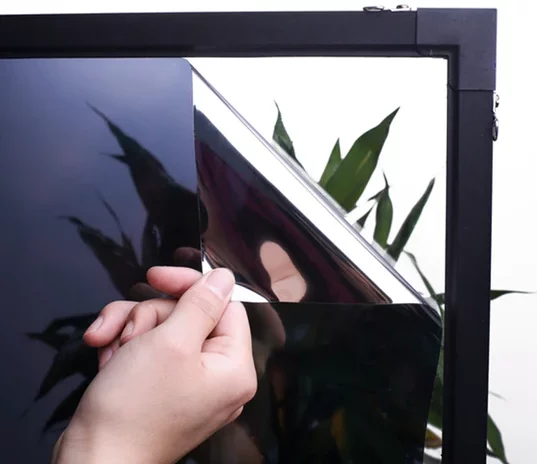
Window film retrofits improve glazing performance without removing existing glass. Solar control films are designed to reduce solar load entering through building windows. They help manage heat and glare at the surface where it enters.
For commercial decision-makers, film retrofits are often chosen because they support:
-
Lower disruption compared to replacement projects
-
Faster installation windows for occupied buildings
-
Scalable coverage across large glazed areas
-
Easier phased rollouts for multi-site portfolios
Film retrofits do not change the structure of the window system. They improve how glass behaves under solar exposure. For many assets, that is the key constraint.
Fancyfix supplies solar control window films suitable for commercial applications.
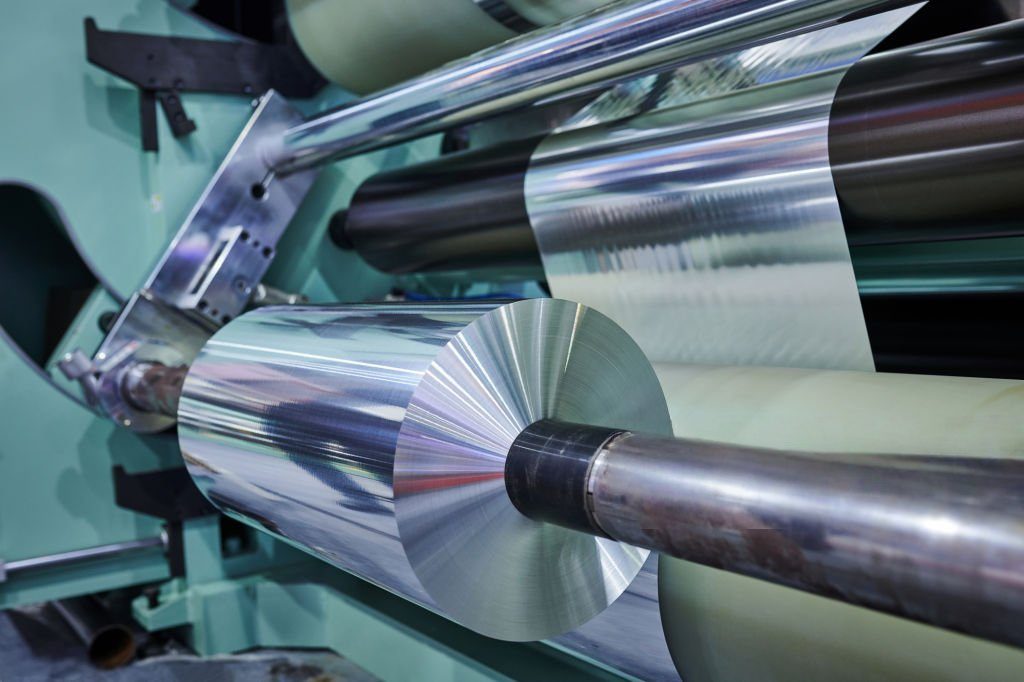
Types of energy-saving window film used in commercial buildings
Different commercial facilities have different priorities. Some focus on cooling load. Some focus on glare. Some need privacy in interior spaces. Others need design control for branded environments.
Below are the film categories commonly used across building windows in commercial environments.
Solar control window film
Common use cases:
-
South- and west-facing elevations
-
Open-plan areas affected by glare
-
Retail frontage and lobby glazing
-
Perimeter offices with uneven temperatures
Commercial objective:
-
Reduce solar heat gain and improve comfort near the façade
-
Support energy-efficiency positioning without structural replacement
Solar control film is typically the primary option when the goal is to improve the performance of glass building windows without changing the window system.
Privacy window film
Common use cases:
-
Meeting rooms
-
Administrative offices
-
Internal glazed partitions
Commercial objective:
-
Manage visual privacy while maintaining a clean interior design language
-
Support consistent appearance across repeated installations
Privacy film selection is often driven by design requirements and standardization across multiple sites.
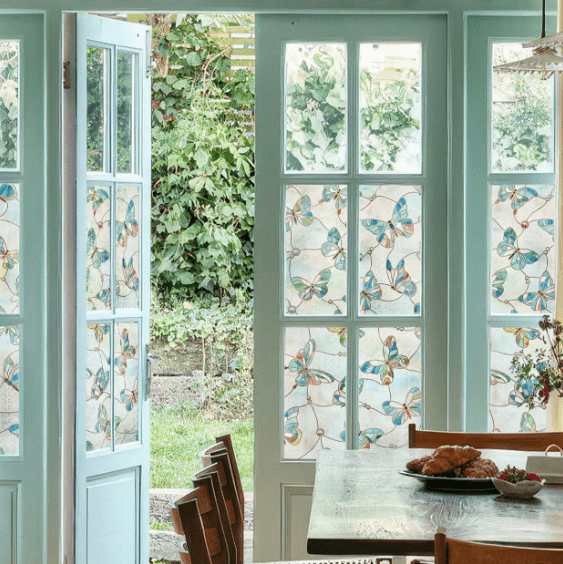
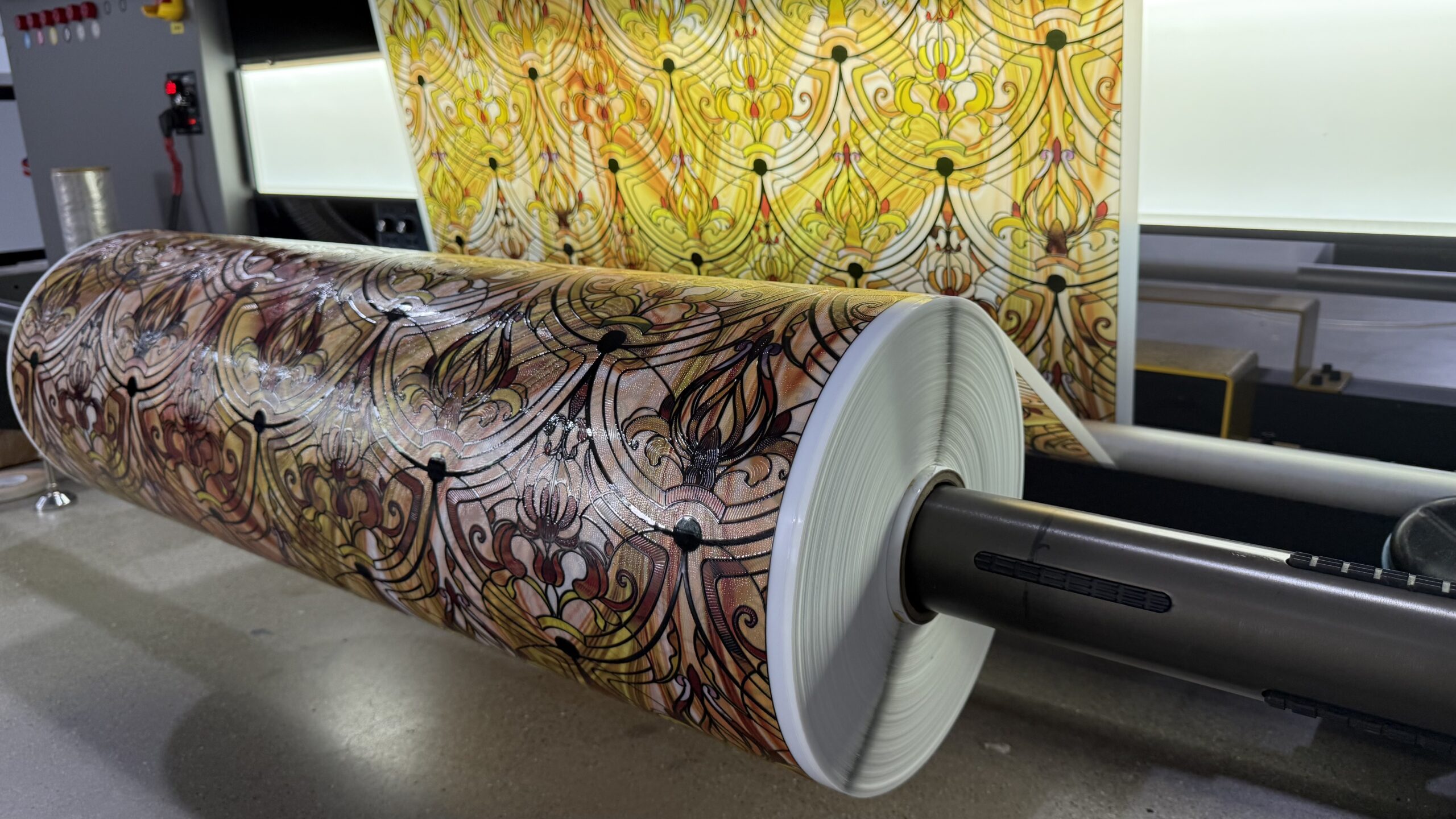
Decorative window film and stained glass styles
Common use cases:
-
Branded office environments
-
Commercial refurbishments
-
Visual zoning and design-led partitions
Commercial objective:
-
Standardize appearance across locations
-
Support project design without replacing glass
Decorative programs are often used by brands and commercial project suppliers who want consistent finishes across portfolios.
Custom window film programs for OEM and channel partners
Some commercial buyers require standardization at scale. That includes sizing, functional specifications, and packaging formats.
Fancyfix supports parameter, dimension, and pattern customization. It also supports brand packaging and labeling. This matters for OEM programs and distributors building repeatable commercial lines.
Comparison table: window film vs window replacement vs no upgrade
Commercial upgrades are evaluated across cost structure, disruption, timeline, and scalability. The comparison below keeps the decision framework simple.
| Upgrade path | Upfront spend profile | Disruption level | Typical implementation timeline | Scalability across large buildings | What it addresses |
| No upgrade | Low | None | Immediate | Not applicable | No change in window performance |
| Window replacement | High | High | Longer | Complex | Full glazing and frame upgrade |
| Window film retrofit | Moderate | Low | Shorter | High | Solar and glare performance improvement without replacing glass |
For many facilities, window film retrofits offer a practical middle path. They improve how windows for office buildings behave under solar exposure, while avoiding the disruption and schedule impact of replacement.
Procurement considerations for bulk buyers and commercial distributors
Energy performance is only part of the decision. Bulk procurement adds its own requirements. Especially when the project involves multiple floors, multiple buildings, or repeat orders.
What to verify for bulk programs
-
Category fit for the building’s exposure and usage
-
Consistency across batches for phased installations
-
Packaging suitability for distribution and jobsite handling
-
Supplier support for portfolio planning and channel adaptation
Lead time and supply planning
Commercial projects are schedule-driven. Reliable lead times reduce procurement risk. They also reduce last-minute logistics costs.
Fancyfix provides defined lead times:
-
Stock products: 7–15 business days
-
Customized products: 10–20 business days
This helps project buyers align procurement with installation windows. It also supports seasonal demand cycles in commercial retrofit markets.
Contractor-facing handling expectations
On-site performance influences execution timelines. For contractors and installers, ease of handling matters.
Fancyfix films are designed for:
-
Easy cutting and installation
-
No residue after removal
-
Strong durability and weather resistance
-
Suitability for various climate conditions
These characteristics support smoother installations and fewer callbacks. They also help commercial project suppliers standardize performance across different teams and sites.

Conclusion:
Energy upgrades in commercial facilities are often constrained by time and disruption. That is why retrofit strategies exist. Window film programs can improve the performance of office building windows and industrial building windows without removing existing glass. For bulk buyers, the value is not only technical. It is operational. It supports phased delivery, scalable procurement, and manageable project timelines.
Fancyfix supports bulk window film supply with in-house manufacturing and customization capabilities. It serves long-term B2B customers across construction, distribution, branding, and e-commerce, with export coverage in the United States, Europe, Australia, and Japan.